Australian Computational and Linguistics Olympiads

The Australian Computational and Linguistics Olympiad (OzCLO) is a contest for high school students. It challenges them to develop their own strategies for solving problems in fascinating real languages. The program is designed for high school students from year 9 to year 12. Any secondary school student who enjoys the sample problems is a potential contestant.  

OzCLO 2010 (the third OzCLO) was held in Adelaide, Armidale, Brisbane, Canberra, Melbourne, Perth  and Sydney.  

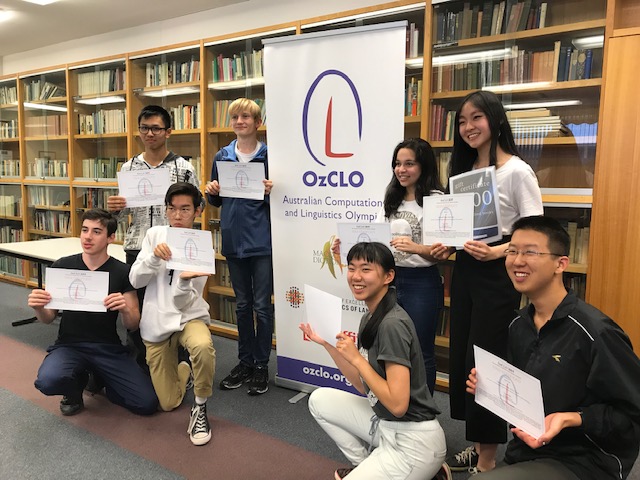
2010 National Round Winners

First Prize:    Victoria:   PLC (Senior team )    
Samantha Hauptman, Michelle Jayasuriya, Carmen Wu, Sally Yu

OzCLO 2010 First Prize

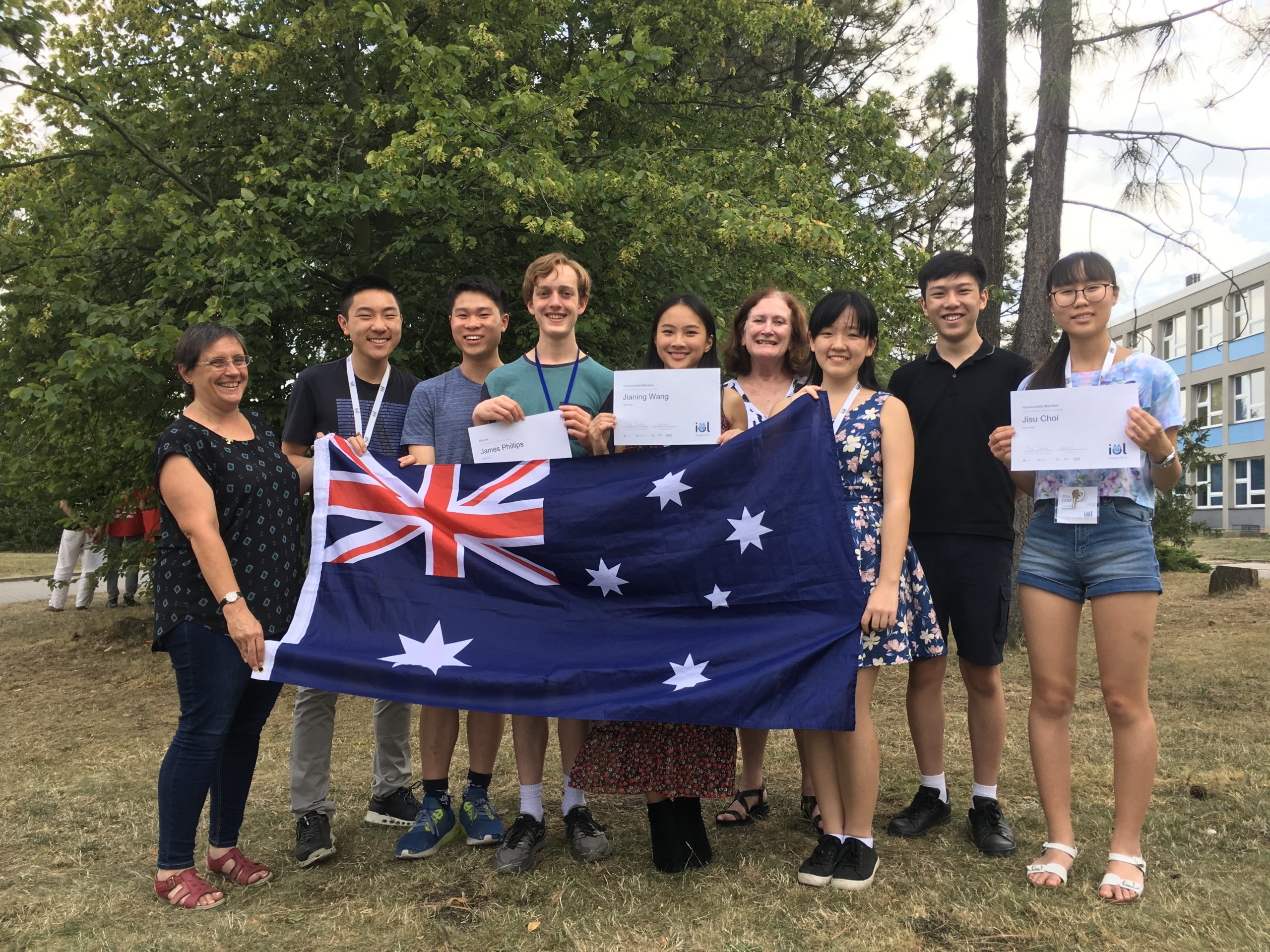
They will represent Australia at the International Linguistics Olympiad (ILO 2010) in Stockholm, Sweden in July.

Second Prize:  New South Wales:  James Ruse Agricultural High School (Senior team)
Gerald Mak, Evan Tran, Richard Yuen, Andrew Wang
 
Third Prize and Top Junior Team: Western Australia:   St Mary's Anglican Girls School (Junior team)
Rikki Thorne, Lucy Wu, Sasha Newman, Julia Liu 

Competition Format

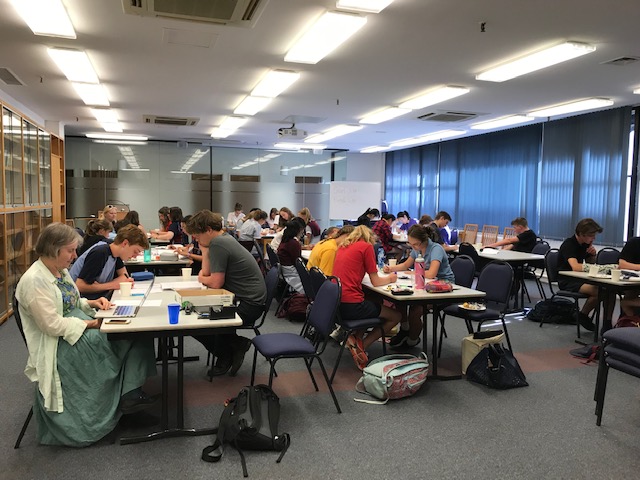
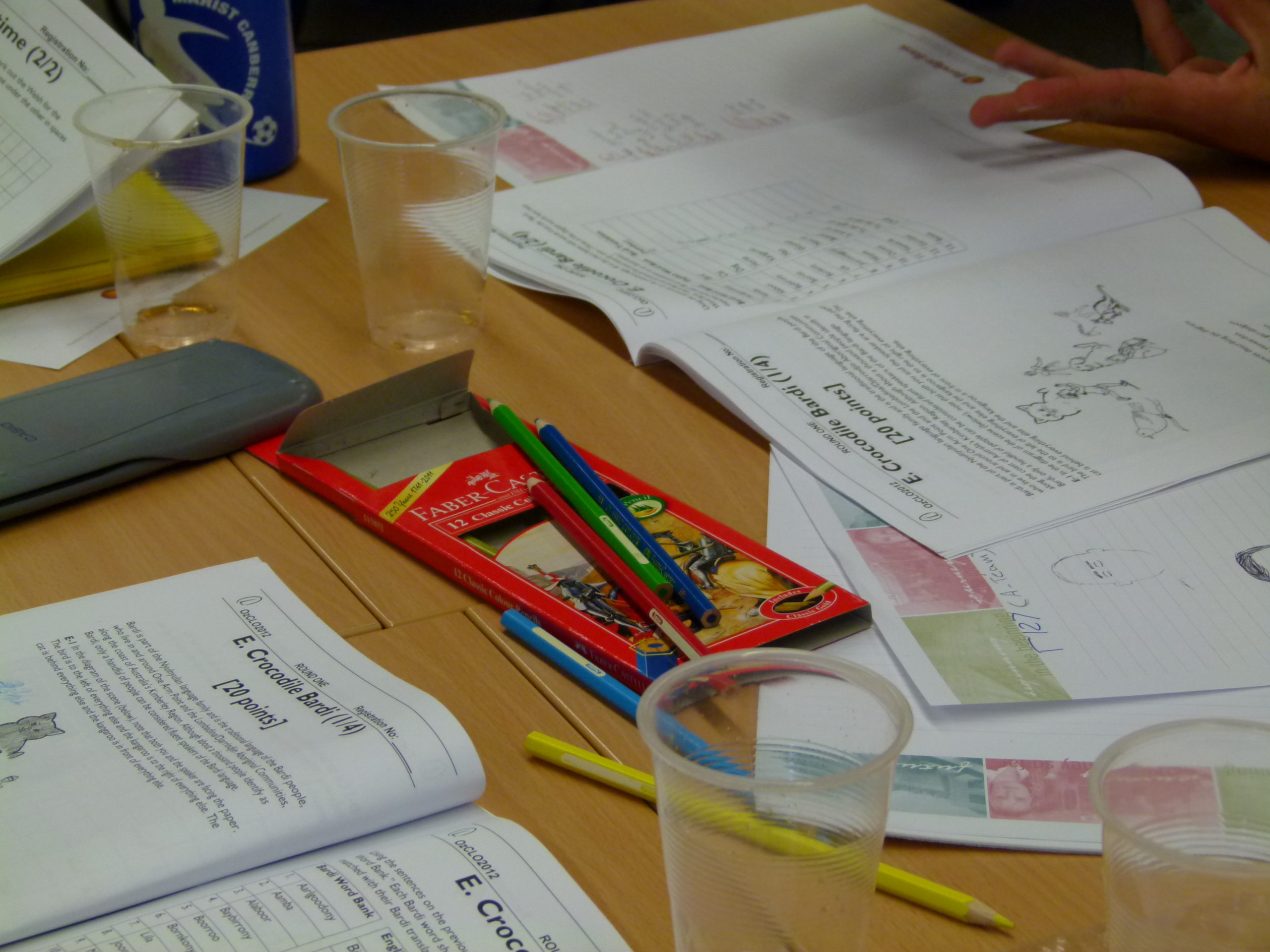
The First round is a two hour competition during which the students work in teams (of two or three) on a range of analytical problems. The top three teams of the First Round then go on to the National Round.  The winners of the National Round then get selected to represent Australia at the International Linguistics Olympiad. 

Although OzCLO is a team competition format, individual students are also encouraged to register. They will be teamed with other individual competitors, so will not be disadvantaged. Students at all year levels will complete the same tasks, with achievements recognised at the junior level (years 9-10) and the senior level (year 11-12).  

Registration

Registration is free. If you would like to register an expression of interest, please email the local organisers. Registration will be managed through a teacher contact, so students will not be contacted individually.    

Training Sessions

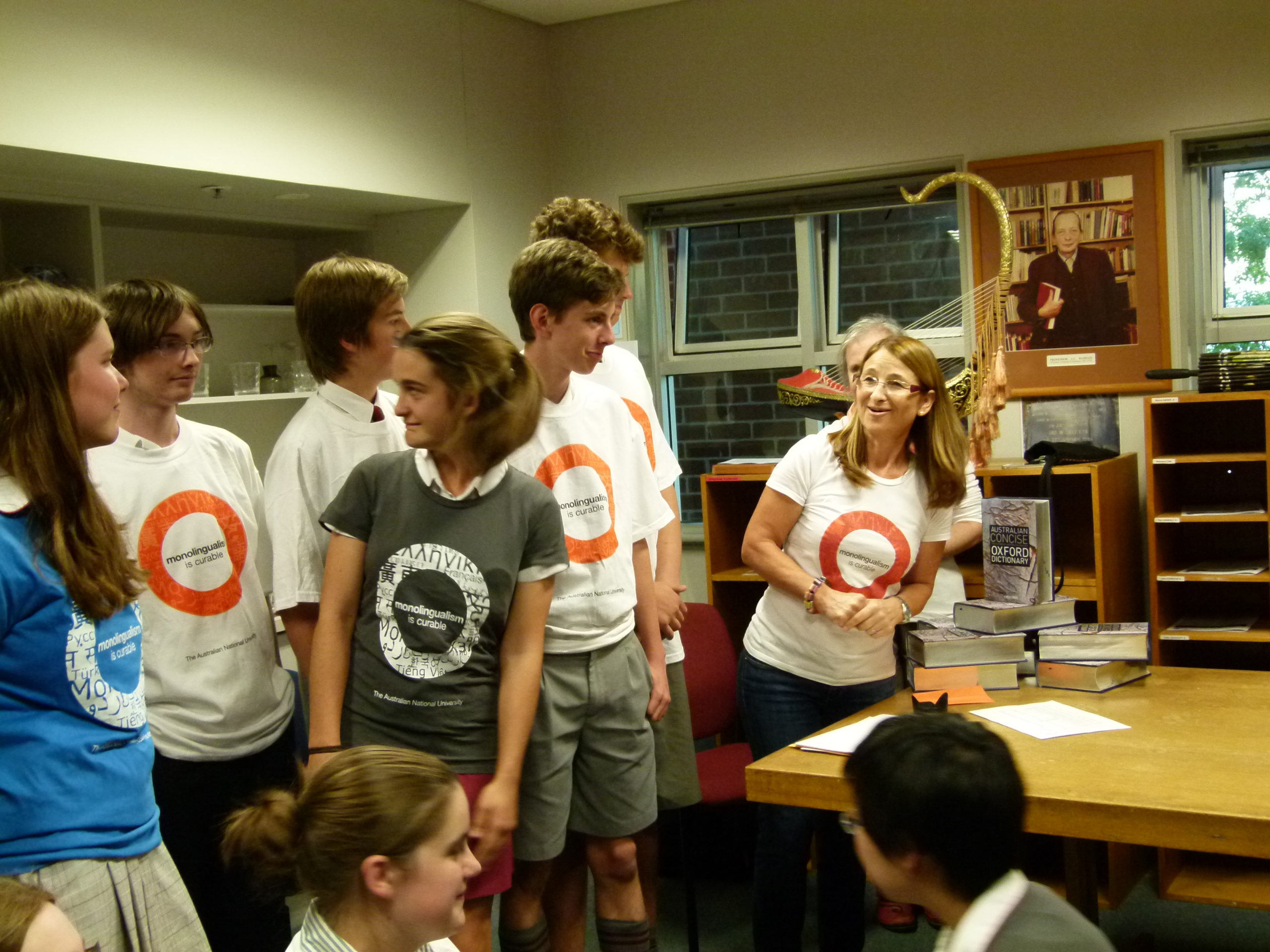
Training sessions for students are held at each location. We will explain the details of the competition, the fields of linguistics, computational linguistics, and language technologies, provide sample problems, and give tips for solving them. If you would like to find out more about training sessions in each state, please email the local organisers.